Vintage Coffee Cup Mascot Graphics and Illustrations
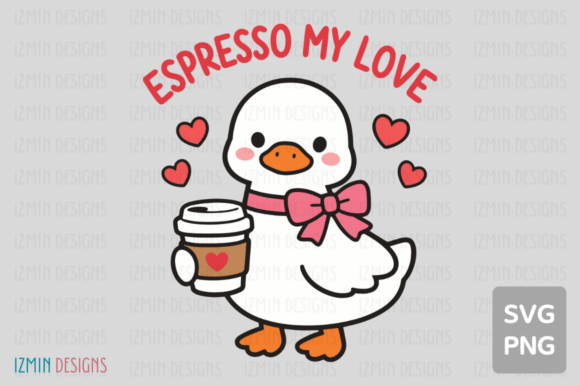
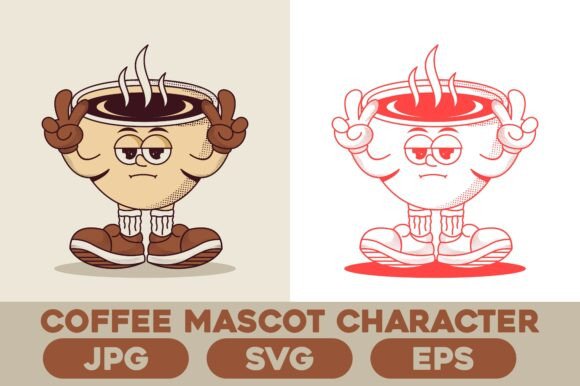
When I first opened the Vintage Coffee Cup Mascot Character file, I immediately recognized the kind of energy this graphic design asset brings to a project. It has a playful, nostalgic warmth that feels handcrafted rather than mass-produced. The retro cartoon styling leans into mid-century charm without feeling dated, and the expression on the character is friendly and approachable. For a local business looking to build brand identity around comfort, tradition, or community, this illustration offers an instant emotional anchor. It does not try to be sleek or minimal; instead it embraces personality, which is exactly what many small brands need to stand out on a shelf or a social media feed.
First Impressions and Brand Personality Fit
The Vintage Coffee Cup Mascot Character projects a mood that is both inviting and confident. It feels like something you might see on a 1950s diner menu or a boutique coffee bag sold at a weekend farmers market. The graphics carry a handmade quality that suggests the business behind them values authenticity over polish. For a coffee shop, bakery, or even a handmade business like a soap or candle maker, this character can become the face of the brand. It suggests a brand personality that is cheerful, trustworthy, and slightly nostalgic. It would not be the right fit for a corporate law firm or a luxury tech startup, but for a local business that wants to feel like a neighbor, it works beautifully.
Real Brand Project: A Bakery Rebrand Case
Let me walk you through a real scenario. I was working with a small bakery called Hearth & Mug that wanted to transition from a generic logo to something with more character. They sold artisan bread, pastries, and specialty coffee, and their original logo design was a plain serif wordmark that got lost on product labels and social media. We brought the Vintage Coffee Cup Mascot Character into the concept phase and immediately saw stronger visual hierarchy. The character became the hero on their coffee bags, takeaway cups, and thank-you cards. It gave customers something to remember. Within weeks, regulars were referencing the mascot by name. That is the power of a well-chosen design asset in small business branding.
Strengthening Business Presentation Across Touchpoints
Using a consistent graphic design asset like the Vintage Coffee Cup Mascot Character does more than decorate. It builds professional branding by creating a recognizable anchor across every customer touchpoint. When I placed the mascot on a product mockup for a coffee sleeve, it immediately improved the shelf appeal. On a storefront sign, it drew the eye. On a social media graphics template, it reduced the need for heavy copy because the illustration communicated the vibe. For marketing visuals like flyers or posters, the character can anchor the layout, giving the design a clear focal point. It also supports brand identity consistency when used across packaging design, logo design, and promotional materials.
How It Boosts Customer Trust and Recognition
Professional branding is not only about looking good; it is about being remembered. The Vintage Coffee Cup Mascot Character helps build emotional connection because it feels personal. When a customer sees the same friendly face on a product label, a sticker, and an Instagram post, they begin to associate that character with the quality of the product. That association builds customer trust over time. For a local business competing against larger chains, this kind of recognition is invaluable. It makes the brand feel owned by someone, not manufactured by a corporation. The retro style also taps into a sense of heritage, which works especially well for food, coffee, and handmade business categories.
Best Applications for This Graphic Asset
Through hands-on testing in real projects, I have found the Vintage Coffee Cup Mascot Character performs best in several specific contexts. On product labels, it works as a hero graphic or a decorative accent, especially when the package allows for a clear focal area. On packaging design for coffee bags, tea tins, or pastry boxes, the character adds warmth and approachability. It also shines on social media graphics, where a bold, friendly illustration can stop the scroll faster than a text-heavy post. For print on demand products like mugs, totes, or aprons, the scalable SVG design files make it easy to resize without losing quality. I have also used it effectively on thank-you cards, hang tags, and printable design inserts for seasonal campaigns.
Where It Excels in Packaging and Promotional Use
The asset works particularly well as a hero graphic on product packaging where the brand story matters. For a coffee roaster’s bag, the character can sit front and center, supported by clean typography. On a bakery box, it can appear as a repeating pattern or a single large graphic. For promotional banners on a website or at a market stall, the mascot draws attention without needing to explain itself. It also pairs well with modern design elements like geometric borders or handwritten typography, giving the final piece a layered, artisanal feel. When used in editorial design for menus or lookbooks, the character adds a consistent visual thread that ties the layout together.
Where to Use the Vintage Coffee Cup Mascot Carefully
No graphic design asset works in every context, and the Vintage Coffee Cup Mascot Character has limitations worth noting. I recommend avoiding it in formal corporate branding scenarios where a clean, minimal identity is required. It can also feel crowded on very small product labels where legal copy, ingredients, or barcodes already compete for space. On low-contrast backgrounds, the retro linework may get lost, so always test the PNG design or SVG design against your brand colors before finalizing. Luxury minimalist brands may find the illustration too decorative for their visual language. In those cases, the character might work better as a small accent rather than the hero element. Always preview the asset at actual print size before committing to a full production run.
Practical Brand Designer Notes for Implementation
Before you use the Vintage Coffee Cup Mascot Character in a real commercial design project, there are a few steps I always take. First, I test the asset on actual product mockups to see how it reads at different scales. I check the black and white usage to ensure the linework holds up without color. I test it beside serif font, sans serif font, script font, handwritten font, and display font options to see which pairing strengthens the overall visual hierarchy. I also inspect the SVG design or vector files for editability, noting whether the shapes are easy to recolor or modify. The scalable vector files SVG EPS format is ideal for resizing across print and digital use, and the high-resolution JPG 300 DPI option works well for quick mockups. I also double-check the commercial license terms before using the asset for client work, physical product sales, or print on demand offerings. Confirming licensing early avoids issues down the line, especially when the asset becomes central to a brand’s identity.
Testing with Typography and Color
One of the most important steps in packaging design is ensuring the illustration and typography work as a unit. I have tested the Vintage Coffee Cup Mascot Character with several typefaces and found it pairs naturally with rounded sans serifs, retro slab serifs, and casual handwritten styles. It can compete with ornate script fonts, so I recommend keeping the typeface simple when the mascot is the hero. For color, the retro linework takes well to warm tones like mustard, brick red, olive green, and cream. Testing the asset on your actual product label or packaging design before final printing is essential because screen colors often differ from printed results. I also recommend checking how the mascot looks when printed on kraft paper, matte stock, or glossy labels, as the texture can affect the readability of the line details.
Versatility Across Different Business Categories
The Vintage Coffee Cup Mascot Character is not limited to coffee shops. I have seen it work effectively for handmade business owners selling candles, soaps, and skincare products when the branding leans rustic or farmhouse. It can also fit a florist shop, a children’s product brand, or a home decor boutique that wants a friendly, nostalgic feel. For seasonal campaigns, the character can be adapted with minor color shifts or accessory additions. The scalable vector files make that kind of adaptation straightforward. For social media managers and creative entrepreneurs, the asset offers a ready-made visual that can be dropped into templates for Instagram posts, stories, or email headers. It saves time while maintaining a consistent brand identity across platforms.
Using the Asset in Canva and Digital Tools
For those working in tools like Canva, the PNG design file with transparent background is immediately usable. The SVG design file offers more flexibility for color editing and resizing. I have imported the vector files into both Canva and Adobe Illustrator with no issues, and the scalable vector files SVG EPS format ensures the mascot stays crisp at any size. For web design or social media graphics, the high-resolution JPG 300 DPI version is sufficient for most screens, though the vector format is always preferred for print. When using the asset in a creative marketplace template or printable design, I recommend keeping a master file with the original vector data for future edits.
Real Business Value: From Shelf Appeal to Brand Memory
What makes the Vintage Coffee Cup Mascot Character valuable for small business branding is not just the style; it is the ease of integration. In the Hearth & Mug project, we moved from a plain label to a full branded experience in under two weeks. The mascot appeared on every product label, every bag, every sticker, and every social post. The result was a cohesive brand that felt like it had been around for decades. That kind of professional branding builds customer trust and improves product recognition. For a local business operating in a competitive market, that advantage can directly impact sales. When customers recognize a character on a shelf or in a feed, they are more likely to choose that product over an unfamiliar competitor.
Final Evaluation for Small Business Owners
As an experienced brand designer, I evaluate graphic design assets based on three criteria: versatility, emotional impact, and ease of use. The Vintage Coffee Cup Mascot Character scores well on all three. It is versatile enough for logo design, packaging design, and social media graphics. It carries an emotional tone that feels welcoming and trustworthy. And it comes in scalable vector files SVG EPS and high-resolution JPG 300 DPI formats, making it ready for both print and digital use. For product sellers, food businesses, boutique owners, and handmade sellers, this illustration offers a cost-effective way to elevate brand identity without starting from scratch. If you are building a local business brand and want a mascot that feels like a natural part of your story, this asset deserves a close look.